Employee Benefits in HR are an indirect form of compensation that organizations provide to their employees through various programs, policies, and services. These benefits go beyond basic salary and are designed to support employees’ overall well-being. Common examples include health insurance, paid time off, and life insurance, all of which contribute to a more secure and satisfying work experience.
The type of benefits an organization offers can vary depending on its business model, industry, and geographical location. In different countries, employee benefits may look very different. For example, in the United States, health insurance is a major part of employee benefits packages, whereas in France, employees often receive restaurant vouchers for each working day. This shows how cultural and legal factors influence the structure of benefits.
In many regions, certain employee benefits are required by law. These are known as statutory or legally required benefits, such as provident fund, social security, or maternity leave. On the other hand, discretionary benefits are those that employers choose to provide voluntarily to enhance employee satisfaction and attract talent. Both statutory and discretionary benefits together form an important part of total compensation and total rewards, influencing how employees and job seekers perceive an organization.
Apart from benefits, employers also offer perks, which are often confused with benefits but are actually different. While benefits are part of compensation, perks are not included in an employee’s pay structure. Instead, perks act as additional incentives that make the workplace more attractive and enjoyable.
Perks are designed to enhance the employee experience and create a positive work environment. Examples of perks include gym memberships, free meals or snacks at the office, and company-sponsored tickets to events like concerts or sports matches. Although they are not part of formal compensation, perks play a significant role in improving employee engagement and employer branding.
What Are Employee Benefits in HR?
Employee benefits in HR are non-wage compensations offered to employees in addition to their salaries. These benefits are designed to support employees’ financial, physical, and emotional well-being.
Simple Definition:
Employee benefits are extra rewards provided by employers to improve employee satisfaction and retention.
Examples of Employee Benefits:
- Health insurance
- Paid leave
- Retirement plans
- Bonuses and incentives
- Flexible working hours
- Work-from-home options
These benefits are a key part of the overall compensation package, often referred to as CTC (Cost to Company).
Types of Employee Benefits Every HR Practitioner Should Know
Employee Benefits in HR are continuously evolving as employee needs and workplace trends change. Modern organizations classify employee benefits into four major categories based on their impact on employees’ lives:
- Benefits at Work
- Health Benefits
- Financial Security Benefits
- Lifestyle Benefits
Let’s understand each type in a simple and concise way.
1. Benefits at Work
These benefits directly impact how employees experience their daily work life.
a) Working Hours & Time Off
Flexible working hours, remote work, and hybrid models have become essential after the pandemic. Employees now expect better control over their schedules and work-life balance.
Important leave benefits include:
- Paid Time Off (PTO)
- Sick leave
- Parental leave
- Holidays
Some companies are even offering unlimited leave policies to improve satisfaction.
b) Skills Development
Employees want continuous learning opportunities to stay relevant in their careers.
Common benefits include:
- Training programs
- Certifications
- Tuition reimbursement
- Student loan assistance
These benefits improve employee retention and productivity.
c) Food & Beverages
Providing food at the workplace is a popular benefit in many countries.
Examples:
- Free meals or snacks
- Coffee and beverages
- Meal vouchers
This improves employee happiness and workplace experience.
d) Gifts & Activities
Although often considered perks, these still enhance employee engagement.
Examples:
- Employee recognition rewards
- Company events
- Gifts and bonuses
- Work anniversary celebrations
2. Benefits for Health
These benefits focus on employees’ physical and mental well-being.
a) Healthcare Benefits
- Medical insurance
- Dental and vision coverage
- Specialized treatments (therapy, fertility support)
Some companies even provide onsite healthcare services.
b) Wellness Programs
Modern organizations go beyond healthcare by offering:
- Gym memberships
- Mental health support
- Stress management programs
- Financial wellness initiatives
Healthy employees are more productive and engaged.
3. Benefits for Financial Security
These benefits help employees manage their finances and future planning.
a) Retirement & Pension Plans
- Provident Fund (PF)
- Pension schemes
- 401(k)-type plans
These ensure long-term financial stability.
b) Insurance Benefits
- Life insurance
- Disability insurance
- Accident insurance
These protect employees during unexpected situations.
c) Financial Growth Benefits
- Bonuses and incentives
- Commissions
- Stock options (ESOPs)
- Profit-sharing
These motivate employees to perform better.
d) Personal Finance Benefits
- Financial planning support
- Salary advance / Earned Wage Access (EWA)
- Financial literacy programs
These reduce financial stress among employees.
4. Lifestyle Benefits
These benefits make employees’ daily lives easier and more convenient.
a) Mobility & Work Setup
- Travel allowance
- Work-from-home setup support
- Internet reimbursement
- Co-working space allowance
b) Work-Life Balance Benefits
- Childcare support
- Employee Assistance Programs (EAPs)
- Concierge services
- Extended parental leave
These improve overall employee satisfaction.
5. Unique Employee Benefits (Modern Trends)
To stay competitive, companies are offering innovative benefits such as:
- Four-day workweek
- Fertility assistance programs
- Pet insurance
- Family stipends
- Profit-sharing & gainsharing plans
These unique benefits help organizations stand out and attract top talent.
Importance of Employee Benefits in HR
Employee Benefits in HR are essential not only for legal compliance but also for building a strong and competitive organization. While most companies must provide certain statutory benefits, offering only the minimum is not enough in today’s competitive job market. A well-designed employee benefits package provides several strategic advantages that directly impact business success.
1. Attracting Top Talent
Employee Benefits in HR play a crucial role in attracting skilled candidates. Even when two job offers have the same salary, the benefits package can make a significant difference. A company offering better health insurance, flexible working hours, and wellness programs will naturally stand out.
For example, studies show that a large percentage of job seekers consider benefits like health, dental, and vision insurance, along with flexible work options, before accepting a job. Candidates evaluate the overall value of benefits along with salary to choose the best opportunity.
2. Improving Employee Retention
Employee Benefits in HR help organizations retain their employees for a longer period. When employees feel that their personal and professional needs are being met, they are less likely to switch jobs.
Organizations that offer strong compensation and benefits packages often experience significantly lower employee turnover. This not only saves recruitment costs but also helps maintain stability within the organization.
3. Fostering Inclusion at Work
A well-structured employee benefits program supports workplace diversity and inclusion. Employee Benefits in HR can be designed to meet the diverse needs of employees from different backgrounds and life situations.
Inclusive benefits may include:
- Parental leave for all genders
- Flexible working hours
- Floating holidays
- Domestic partner benefits
These initiatives show that the organization values all employees equally, creating a more inclusive work environment.
4. Promoting a Healthy Workforce
Employee Benefits in HR contribute directly to employee health and well-being. Benefits such as medical insurance, wellness programs, and mental health support encourage employees to take better care of themselves.
Healthy employees are more productive, focused, and less likely to take frequent leaves. This leads to improved overall performance and reduced absenteeism.
5. Increasing Employee Satisfaction and Loyalty
Employee Benefits in HR are a strong indicator of how much an organization values its workforce. When employees feel appreciated and supported, their job satisfaction increases.
Employees who are satisfied with their benefits are more likely to stay loyal to their employer. This loyalty leads to:
- Higher engagement
- Better performance
- Stronger organizational commitment
Ultimately, investing in employee benefits creates a positive workplace culture where employees feel motivated and valued.
Key Components of an Employee Benefits Package
A well-designed employee benefits package includes multiple elements:
1. Compensation + Benefits Structure
- Basic salary
- Allowances
- Incentives
- Benefits
2. Insurance Coverage
- Health insurance
- Life insurance
- Accident insurance
3. Leave Policy
- Paid leaves
- Sick leaves
- Maternity/paternity leave
4. Retirement Benefits
- Provident fund
- Gratuity
- Pension schemes
5. Employee Assistance Programs (EAPs)
- Counseling services
- Financial guidance
- Stress management
Examples of Employee Benefits in Companies
1. IT Companies
- Work-from-home options
- Flexible working hours
- Learning programs
2. Manufacturing Companies
- Safety benefits
- Health insurance
- Overtime pay
3. Startups
- Stock options (ESOPs)
- Flexible culture
- Performance bonuses
4. Corporate Organizations
- Retirement plans
- Travel benefits
- Wellness programs
Employee Benefits vs Compensation
| Aspect | Compensation | Benefits |
|---|---|---|
| Meaning | Direct salary | Indirect rewards |
| Form | Cash | Non-cash |
| Purpose | Payment for work | Employee satisfaction |
| Example | Salary, bonus | Insurance, leave |
Challenges in Managing Employee Benefits
HR professionals face several challenges while managing employee benefits:
1. Cost Management
Providing benefits can be expensive for organizations.
2. Employee Expectations
Employees expect modern and flexible benefits.
3. Legal Compliance
HR must ensure compliance with labor laws.
4. Customization
Different employees have different needs.
5. Communication Gap
Employees may not fully understand available benefits.
Best Practices for Employee Benefits in HR (2026)
To create an effective employee benefits program, follow these best practices:
1. Understand Employee Needs
Conduct surveys to understand what employees value the most.
2. Offer Flexible Benefits
Provide customizable benefits packages to meet diverse needs.
3. Ensure Legal Compliance
Stay updated with labor laws and government regulations.
4. Communicate Clearly
Educate employees about available benefits through:
- Emails
- HR portals
- Workshops
5. Use HR Technology
Use HR software to manage and track benefits efficiently.
6. Focus on Well-being
Include mental health and wellness programs in benefits.
7. Review and Update Regularly
Update benefits based on:
- Market trends
- Employee feedback
- Organizational goals
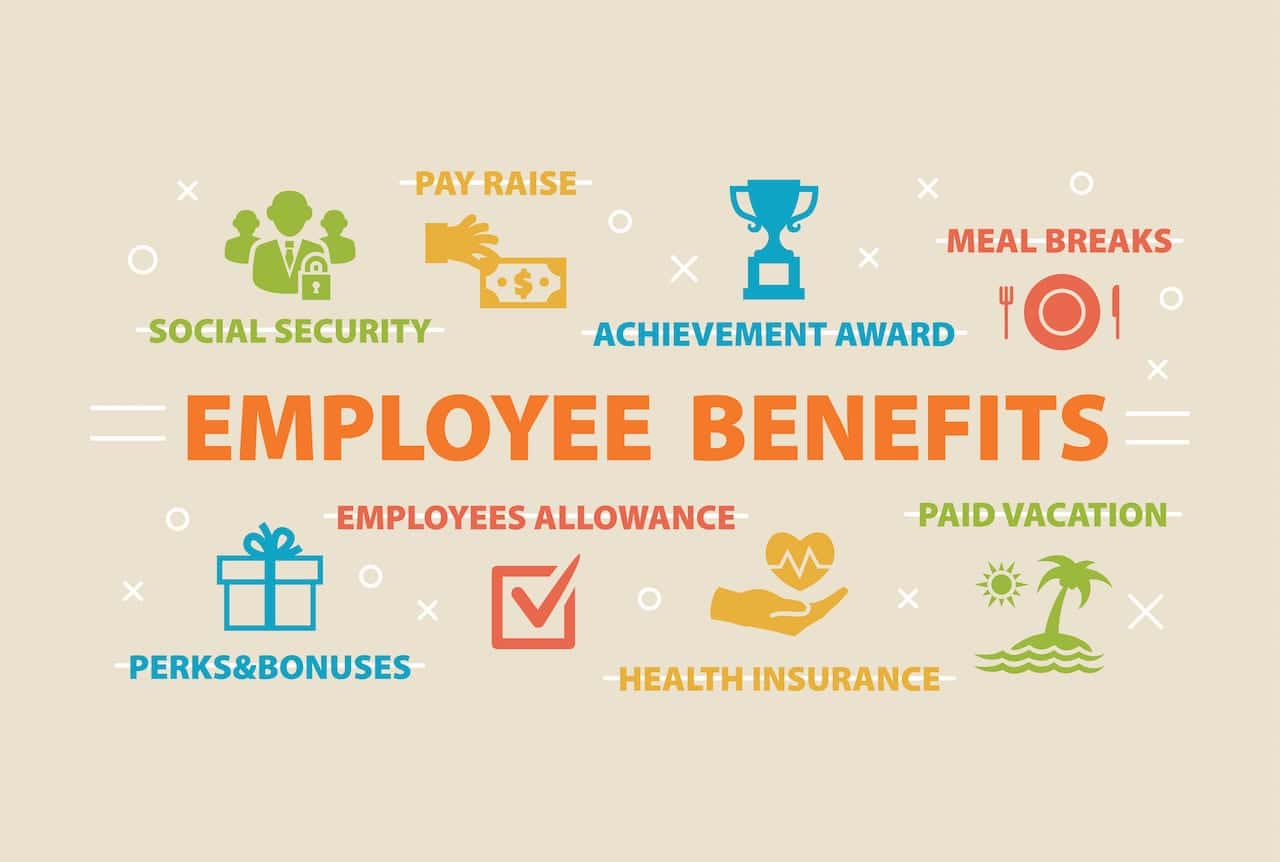
Future Trends in Employee Benefits (2026 and Beyond)
Employee benefits are evolving rapidly with changing workforce expectations.
1. Personalized Benefits
Employees will choose benefits based on their preferences.
2. Mental Health Focus
Companies will invest more in mental wellness programs.
3. Remote Work Benefits
Benefits for remote employees will increase.
4. Financial Wellness Programs
Organizations will support financial planning and education.
5. Digital Benefits Platforms
HR tech will simplify benefits management.
How HR Manages Employee Benefits
HR plays a critical role in designing and managing benefits programs.
Key Responsibilities:
- Planning benefits structure
- Budget allocation
- Vendor management
- Policy creation
- Employee communication
- Compliance management
Steps to Design an Employee Benefits Program
Step 1: Analyze Workforce Needs
Understand demographics and employee expectations.
Step 2: Set Budget
Determine how much the organization can spend.
Step 3: Choose Benefits
Select relevant benefits based on needs.
Step 4: Ensure Compliance
Follow all legal requirements.
Step 5: Implement Program
Launch benefits with proper communication.
Step 6: Monitor and Improve
Continuously evaluate effectiveness.
Conclusion
Employee benefits in HR are essential for building a strong, motivated, and loyal workforce. In 2026, organizations must go beyond traditional benefits and focus on employee well-being, flexibility, and personalization.
A well-structured benefits program not only improves employee satisfaction but also enhances productivity, retention, and overall business success.
HR professionals must continuously adapt to changing trends and employee expectations to stay competitive in the modern workplace.
Frequently Asked Questions (FAQs)
1. What are employee benefits in HR?
Employee benefits are additional perks provided by employers apart from salary, such as insurance, paid leave, and bonuses.
2. Why are employee benefits important?
They improve employee satisfaction, retention, productivity, and overall organizational performance.
3. What are the types of employee benefits?
The main types include:
- Mandatory benefits
- Health benefits
- Financial benefits
- Work-life balance benefits
- Career development benefits
4. What is the difference between compensation and benefits?
Compensation is direct payment (salary), while benefits are indirect rewards like insurance and leave.
5. What are statutory benefits in India?
Statutory benefits include PF, ESI, gratuity, and maternity benefits required by law.
6. How can companies improve employee benefits?
Companies can improve benefits by offering flexibility, understanding employee needs, and using HR technology.