HR Payroll Management is one of the most critical functions in Human Resource Management. It ensures that employees receive accurate salaries on time while maintaining compliance with government regulations and company policies.
In today’s competitive business environment, efficient HR Payroll Management is essential for maintaining employee satisfaction, reducing errors, and avoiding legal complications. Payroll is not just about paying salaries—it involves structured processes, statutory compliance, record management, and financial accuracy.
Many HR professionals, especially beginners, find payroll complex due to its multiple components such as salary calculation, deductions, tax compliance, and reporting. However, with the right understanding, HR Payroll Management becomes a systematic and manageable process.
In this comprehensive guide, you will learn:
-
Meaning and importance of HR Payroll Management
-
Step-by-step payroll process
-
Payroll components in detail
-
Compliance requirements in India
-
Payroll calculation with real examples
-
Tools and software used in payroll
-
Common mistakes and best practices
This guide is designed to help you master Payroll Management in 2026 and build strong HR expertise.
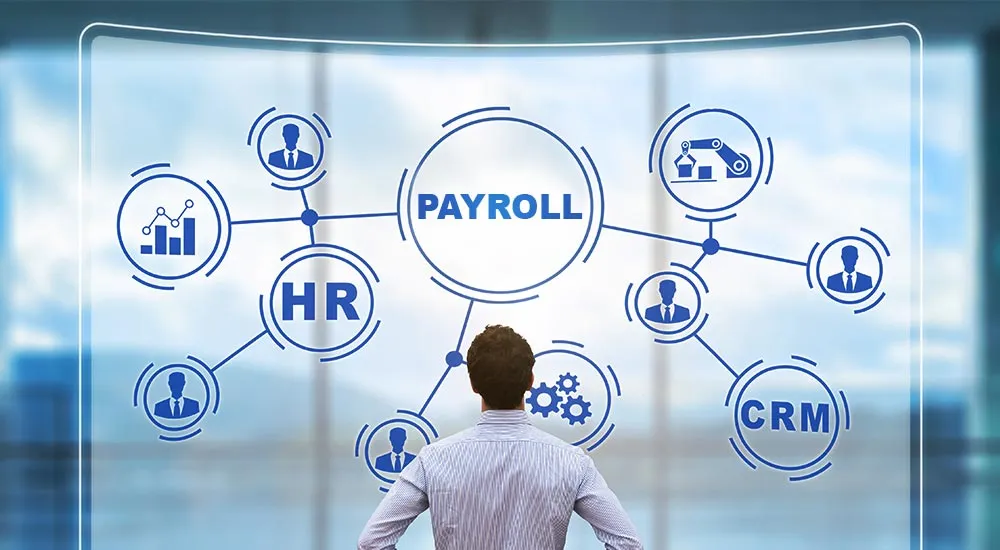
What is HR Payroll Management?
HR Payroll Management refers to the process of managing employee compensation, including salary calculation, deductions, tax payments, and salary distribution.
It includes every financial activity related to employees, from maintaining salary structures to generating payslips and ensuring compliance with legal requirements.
In simple terms, it ensures that employees are paid the correct amount at the right time while following all legal and organizational rules.
Importance of HR Payroll Management
Effective HR Payroll Management is a backbone function in any organization. It directly impacts employee satisfaction, legal compliance, and overall business efficiency. A well-structured payroll system ensures smooth operations, builds trust, and supports long-term organizational growth.
1. Ensures Accurate Salary Payment
One of the primary objectives of HR Payroll Management is to ensure that employees receive accurate and error-free salaries.
Payroll involves multiple components such as basic salary, allowances, bonuses, overtime, and deductions like taxes, provident fund, and insurance. Even a small error in calculation can lead to dissatisfaction and loss of trust.
Why Accuracy Matters:
-
Prevents underpayment or overpayment
-
Reduces employee complaints and disputes
-
Maintains transparency in compensation
-
Builds confidence in HR processes
For example, if an employee’s overtime or incentives are not calculated correctly, it can directly affect their income and motivation. Therefore, a strong Payroll Management system ensures precise calculations every time.
2. Maintains Employee Satisfaction
Salary is one of the most important factors influencing employee satisfaction. Timely and correct salary payments play a major role in maintaining a positive work environment.
When employees receive their salaries on time without errors, they feel valued and secure.
How Payroll Impacts Satisfaction:
-
Builds trust between employees and organization
-
Improves employee morale and motivation
-
Reduces stress related to financial uncertainty
-
Enhances overall employee experience
On the other hand, delays or errors in payroll can lead to frustration, low productivity, and even employee turnover. This is why Payroll Management is critical for maintaining a happy and engaged workforce.
3. Ensures Legal Compliance
One of the most crucial aspects of HR Payroll Management is ensuring compliance with government laws and regulations.
Organizations must follow various statutory requirements related to employee compensation. Failure to comply can result in penalties, legal action, and damage to the company’s reputation.
Key Compliance Areas:
-
Provident Fund (PF) contributions
-
Employee State Insurance (ESI)
-
Professional Tax
-
Income Tax (TDS) deductions
-
Minimum wage laws
Why Compliance is Important:
-
Avoids legal penalties and fines
-
Maintains company credibility
-
Ensures employee benefits are protected
-
Keeps payroll processes transparent and lawful
An efficient HR Payroll Management system ensures that all statutory deductions are calculated correctly and submitted on time.
4. Reduces Errors and Fraud
Manual payroll processing increases the chances of human errors and fraudulent activities. Mistakes such as incorrect salary calculations, duplicate payments, or wrong deductions can create serious issues.
Modern HR Payroll Management systems, especially automated ones, significantly reduce these risks.
Benefits of Reducing Errors:
-
Ensures consistency in payroll calculations
-
Minimizes manual data entry mistakes
-
Prevents financial losses
-
Improves operational efficiency
Fraud Prevention:
-
Limits unauthorized salary changes
-
Maintains proper audit trails
-
Ensures secure payroll processing
Automation tools and payroll software play a major role in strengthening HR Payroll Management by improving accuracy and security.
5. Supports Financial Planning
Payroll is one of the largest expenses for any organization. Effective HR Payroll Management helps businesses plan and control their financial resources efficiently.
Payroll data provides valuable insights into employee costs, helping organizations make informed decisions.
How Payroll Supports Financial Planning:
-
Helps in budgeting employee salaries
-
Tracks labor costs and expenses
-
Assists in forecasting future hiring costs
-
Supports strategic decision-making
For example, HR and finance teams can analyze payroll reports to determine whether the organization can afford to hire new employees or increase salaries.
A well-managed HR Payroll Management system ensures that organizations maintain financial stability while managing employee compensation effectively.
Step-by-Step HR Payroll Management Process
Understanding the complete process is key to mastering HR Payroll Management.
1. Employee Information Collection
The first step in HR Payroll Management is collecting and maintaining employee data.
Required Information:
-
Personal details (Name, Address, DOB)
-
PAN and Aadhaar details
-
Bank account details
-
Job role and designation
Accurate employee data ensures smooth payroll processing and reduces errors.
2. Attendance and Leave Management
Attendance tracking plays a major role in HR Payroll Management.
Key Elements:
-
Working days
-
Leaves (paid/unpaid)
-
Overtime
-
Holidays
Payroll is directly impacted by attendance, especially in industries where salary depends on working days.
3. Salary Structure Setup
Before processing payroll, HR defines the salary structure.
Components:
-
Basic salary
-
HRA
-
Allowances
-
Bonuses
A well-defined structure simplifies HR Payroll Management and ensures transparency.
4. Gross Salary Calculation
Gross salary is calculated by adding all earnings.
Formula:
Gross Salary = Basic Salary + HRA + Allowances + Bonus
This step is central to HR Payroll Management.
5. Deductions Calculation
Deductions are calculated based on statutory and company policies.
Common Deductions:
-
Provident Fund (PF)
-
Employee State Insurance (ESI)
-
Professional Tax
-
Income Tax (TDS)
These deductions reduce the final salary in HR Payroll Management.
6. Net Salary Calculation
Net Salary is the amount employees receive after deductions.
Formula:
Net Salary = Gross Salary − Total Deductions
This is the final output of HR Payroll Management.
7. Compliance and Filing
Compliance is a crucial part of payroll.
HR Responsibilities:
-
Filing PF returns
-
Filing ESI returns
-
TDS filing
-
Maintaining records
Proper compliance ensures legal safety in HR Payroll Management.
8. Payslip Generation
Payslips provide a detailed breakdown of salary.
Includes:
-
Earnings
-
Deductions
-
Net salary
Payslips improve transparency and trust in HR Payroll Management.
9. Salary Disbursement
The final step is transferring salaries to employees.
Methods:
-
Bank transfer
-
Direct deposit
Timely payment is essential for effective HR Payroll Management.
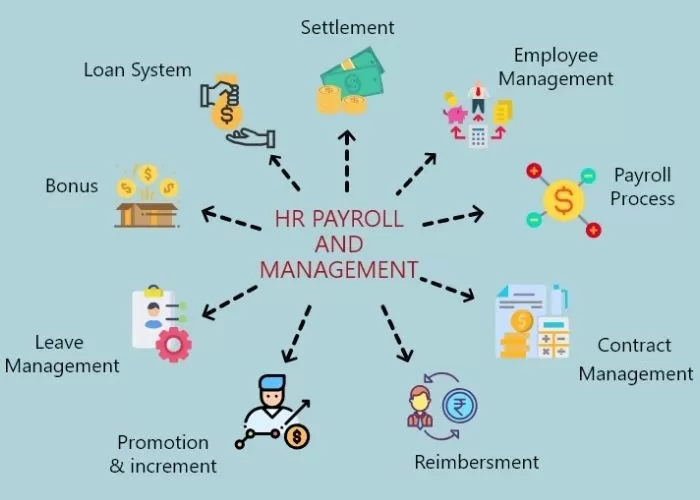
What is CTC in HR Payroll Management?
In HR Payroll Management, CTC (Cost to Company) refers to the total amount a company spends on an employee in a year. It includes not only the employee’s salary but also benefits, allowances, and employer contributions such as provident fund, gratuity, and insurance.
CTC is different from the in-hand salary, as it includes components that are not directly paid to the employee every month. For example, employer PF contribution and insurance are part of CTC but not part of take-home salary.
Understanding CTC is important in HR Payroll Management because it forms the base for salary structure, payroll calculation, and budgeting.
You can read the complete guide here: CTC vs In-Hand Salary: Difference, Calculation & Real Examples (2026 Guide)
Components of HR Payroll Management
Understanding payroll components is essential.
1. Earnings
Earnings are the total income before deductions.
Includes:
-
Basic Salary
-
HRA
-
Special Allowance
-
Bonus
-
Overtime
2. Deductions
Deductions reduce the salary.
Includes:
-
PF
-
ESI
-
Professional Tax
-
Income Tax
3. Net Salary
Net salary is the final take-home pay.
Payroll Compliance in India
Payroll Compliance in India refers to following all government rules and regulations related to employee salaries, taxes, and statutory contributions. In HR Payroll Management, compliance is very important to avoid legal penalties and ensure employees receive their rightful benefits.
Some key compliance requirements include Provident Fund (PF), where both employer and employee contribute 12% of basic salary; Employee State Insurance (ESI), applicable to employees earning up to ₹21,000 per month; Professional Tax, which varies by state; and Tax Deducted at Source (TDS), based on income tax slabs. Additionally, organizations must follow minimum wage laws and provide benefits like gratuity where applicable.
Proper HR Payroll Management ensures all these deductions are calculated accurately and submitted on time. This helps organizations stay legally compliant while maintaining employee trust and smooth payroll operations.
1. Provident Fund (PF)
-
12% contribution by employer and employee
-
Mandatory for eligible employees
2. Employee State Insurance (ESI)
-
Applicable for employees earning below ₹21,000
-
Provides medical benefits
3. Professional Tax
-
State-level tax
-
Maximum ₹2,500 annually
4. Tax Deducted at Source (TDS)
-
Based on income tax slabs
-
Deducted monthly
5. Gratuity
-
Paid after 5 years of service
-
Part of long-term benefits
Payroll Calculation Example
Let’s understand HR Payroll Management with a practical example.
Salary Details:
Basic Salary = ₹30,000
HRA = ₹12,000
Allowance = ₹8,000
Gross Salary = ₹50,000
Deductions:
PF = ₹3,600
Professional Tax = ₹200
Income Tax = ₹2,000
Total Deductions = ₹5,800
Net Salary:
Net Salary = ₹50,000 − ₹5,800
Net Salary = ₹44,200
This example shows how HR Payroll Management works practically.
Payroll Software Used in HR Payroll Management
Modern payroll systems use software for efficiency.
Popular Tools:
-
Zoho Payroll
-
GreytHR
-
Keka HR
-
Razorpay Payroll
Benefits:
-
Automation
-
Accuracy
-
Time-saving
-
Compliance management
Common Mistakes in HR Payroll Management
Avoid these mistakes:
-
Incorrect calculations
-
Missing compliance deadlines
-
Wrong employee data
-
Delayed salary payments
-
Poor documentation
These mistakes can impact HR Payroll Management negatively.
Best Practices for HR Payroll Management
To improve payroll efficiency:
-
Automate payroll system
-
Maintain updated records
-
Follow compliance regularly
-
Train HR staff
-
Conduct audits
Challenges in HR Payroll Management
Payroll management comes with challenges.
Common Challenges:
-
Complex tax regulations
-
Frequent law changes
-
Data management issues
-
Manual errors
Understanding these challenges helps improve HR Payroll Management.
Future Trends in HR Payroll Management (2026)
Payroll is evolving with technology.
Trends:
-
AI-based payroll systems
-
Cloud payroll software
-
Real-time payroll processing
-
Data analytics
These trends are shaping the future of Payroll Management.
Conclusion
HR Payroll Management is a vital function that ensures employees are paid accurately and on time while maintaining compliance with legal regulations.
From employee data collection to salary disbursement, every step plays an important role in payroll success. A well-structured payroll system improves employee satisfaction, reduces errors, and enhances organizational efficiency.
By understanding the process, components, compliance, and best practices discussed in this guide, HR professionals can effectively manage payroll in 2026 and beyond.
FAQs
1. What is HR Payroll Management?
HR Payroll Management is the process of calculating salaries, managing deductions, and ensuring employees are paid correctly.
2. What are the steps in HR Payroll Management?
Steps include data collection, attendance tracking, salary calculation, deductions, compliance, payslip generation, and salary payment.
3. What are the main components of payroll?
Earnings, deductions, and net salary are the main components.
4. Why is HR Payroll Management important?
It ensures accurate salary payment, compliance, and employee satisfaction.
5. Which software is used for payroll?
Zoho Payroll, GreytHR, and Keka HR are commonly used tools.
6. What is the difference between gross salary and net salary?
Gross salary is before deductions, while net salary is after deductions.