Introduction to Human Resources (HR)
Welcome to the A Complete Beginner’s Guide on Human Resources (HR), this guide is designed to walk you through the Complete Beginner’s Guide on HR in 2025.
Imagine joining a company and having no idea where to go, who to talk to, or what’s expected from you. That’s where HR comes in. Human Resources (HR) is the department responsible for managing people — the most valuable asset of any organization. Human Resources (HR) is at the heart of every successful organization. From hiring top talent to shaping workplace culture and ensuring legal compliance, HR plays a pivotal role in building and maintaining a productive, engaged workforce.
In every company, big or small, departments like sales, marketing or tech focus on products or customers, the one thing that connects people is HR. Think of HR as the backbone of any organization— It’s people, processes, and purpose. Human Resources, commonly known as HR, represents the employees who make everything possible.
Today’s workplaces having a strong understanding of Human Resources is no longer optional— it’s essential for organization and people management. The modern HR department does much more than just hiring and firing—it plays a critical role in talent acquisition, employee engagement, employee development, performance management, training and development, human resource management, legal compliance, payroll, benefits administration, problem solving and workplace culture and more. With remote and hybrid work becoming the norm, HR professionals are also responsible for supporting employee well-being, working culture, building inclusive and smooth environments, and leveraging HR technology for smoother HR operations.
In this blog complete beginner’s guide breaks down practical tips, real-world examples, complex HR concepts into simple, HR functions—from recruitment and onboarding to employee engagement and compliance. You’ll learn what HR is, why it’s important, the key responsibilities of an HR team, and how you can start applying HR best practices—whether you’re managing a small business, launching a career in HR, interview tips or simply looking to better understand how people operations work. By the end of this guide, you’ll have a solid foundation to navigate the HR world with confidence in 2025 and beyond.
What Is Human Resource (HR)?
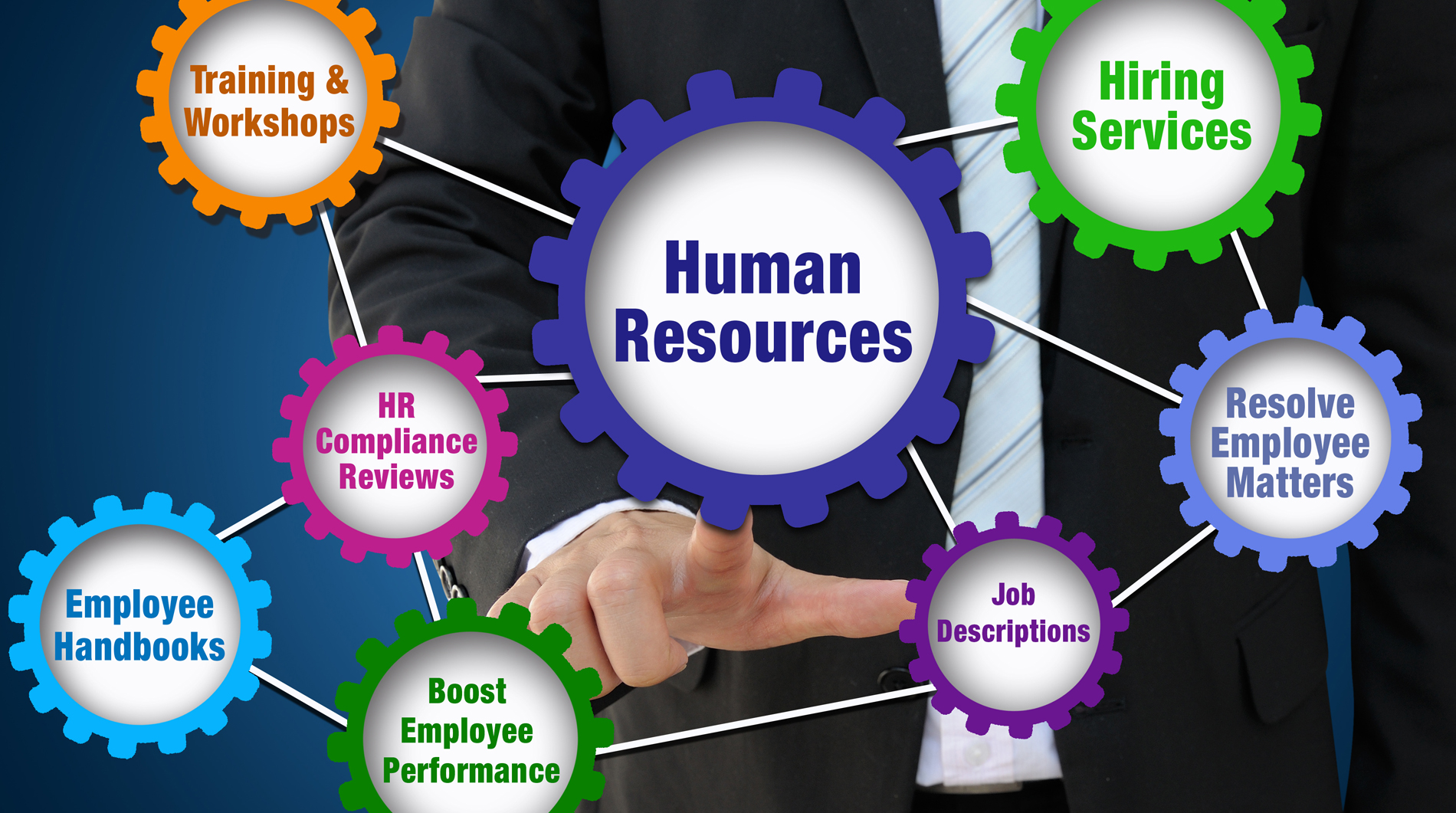
Human Resources (HR) refers to the department or function within an organization that manages its most valuable asset — people. HR is responsible for hiring, onboarding, training, evaluating performance, maintaining workplace culture, and ensuring compliance with labor laws. In simple terms, HR is all about managing people at work — from their first day to their last.
Key Responsibilities of Human Resource (HR) in an Organization
-
Recruitment and selection
-
Onboarding and training
-
Performance evaluation
-
Compensation and benefits
-
Workplace culture and employee well-being
-
Legal compliance and conflict resolution
Read more : https://www.shopify.com/blog/what-is-human-resources
Why Should You Care About HR?
You could be thinking: ‘I’m not in HR — why should I care?
Because HR affects everyone, whether you’re a student, job seeker, or working professional.
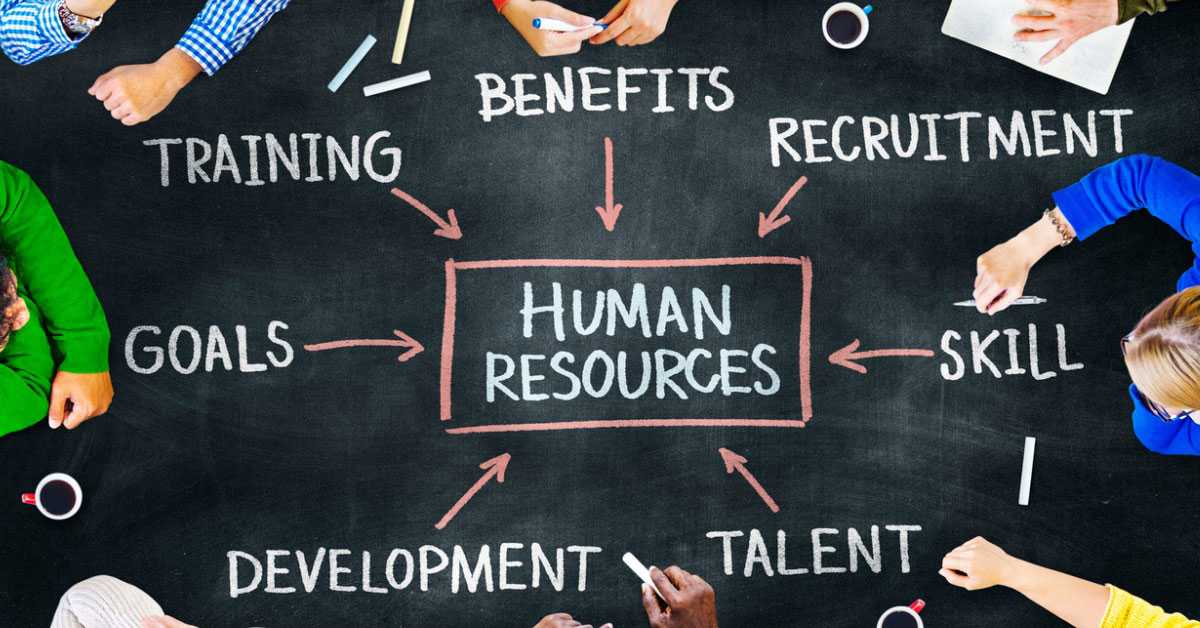
From the moment you apply for a job, sign your contract, receive your salary, take a leave, attend a training session, or raise a workplace issue — HR is involved.
Even if you’ve never interacted with the HR department directly, their work influences your experience at work every day.
Whether you plan to work in HR or just want to understand your workplace better, “Learning about HR boosts your career growth and workplace performance.”
Benefits of Learning HR for Career Growth
Understanding HR basics improves career growth, leadership skills, and workplace performance. Whether you plan to work in HR or not, knowing how HR functions helps you navigate any workplace better.
The Evolution of Human Resources
Human resources (HR) plays a crucial role in today’s workplace culture and environment, directly impacting business growth and success. Imagine a time when businesses didn’t care much about employee satisfaction. There were no HR departments — just “personnel” people who handled salaries, leaves, and hiring forms.
Fast forward to today, and Human Resources (HR) has become one of the most critical pillars of every successful organization. But how did we get here? How did HR start? How has HR department changed years to years. And How is evolving now?
1. The Early Days: Traditional HR – Personnel Management
During 1900s, the concept of HR didn’t really exist. Companies hired employee and paid them — that was pretty much it. But as industries grew Human resources (HR) responsibilities and duties was changed the labor unions started forming, businesses realized they needed someone to manage:
-
Worker complaints
-
Maintaining employee files
-
Basic hiring & firing
-
Payroll and benefits
- Preventing labor unrest
This role was called Personnel Management.
It was mostly about personnel department, record-keeping, and ensuring compliance with emerging labor laws — not really about people or growth.
Focus areas: Hiring employees, pay them, handle issues, and move on.
1930s: The Human Relations Movement
The Human Relations Movement, led by George Elton Mayo, actually began in the 1930s. The movement shifted the focusing on employees’ efficiency to recognizing the importance of their psychological well-being and satisfaction, social needs, motivation, and group dynamics in the workplace.
1940s: The Emergence of HR
During the 1940s, the movement focus on training, workforce planning, government regulation compliance, employee development, communication, and fair labor practices for employee relations and HR policies.
This need led to the formalization of HR and Focus on Employee Welfare
- Companies began offering benefits like healthcare, pensions, and job security to attract and retain workers.
- HR departments started ensuring compliance with labor legislation and managing union negotiations.
The new idea: “Treat people well, and they’ll perform better.
1960s: The Civil Rights Movement
The 1960s was a turning point in the evolution of HR, where the focus equality, fairness, and social justice in the workplace.
- In 1964, the Civil Rights Act was passed in the U.S., and Title VII of the Act prohibited employment discrimination based on race, color, religion, sex, or national origin.
- Governments encouraged companies to actively diversify their workforce, giving rise to affirmative action programs. Human resources (HR) departments had to ensure non-discriminatory recruitment and promotion policies.
- Workers began demanding a greater say in decision-making, leading to more open communication channels between management and employees.
- Human resources (HR) started focusing on employee relations, feedback systems and grievance handling.
-
Modern HR (1990s–2000s) : Strategic Human Resource Management
During (1990s–2000s) Human resources (HR) moved beyond paperwork and hiring. Companies started to see HR as a strategic partner. Business leaders began taking a more strategic approach to HR and involved their HR staff in organizational development. HR
Today, HR plays a key role in:
- Building company culture
- Enhancing employee experience
- Supporting leadership
- Driving organizational change
- Promoting diversity and inclusion
Instead of just managing paperwork, modern HR professionals are key player in business success.
This change was driven by:
- The rise of knowledge-based industries (IT, consulting, etc.)
- Employee expectations around purpose and work-life balance
- Globalization and cross-cultural teams
- Digital transformation and remote work
Now, Modern HR focuses on:
1. Talent Acquisition
Modern HR doesn’t just “fill vacancies and hiring and firing of employees. It strategically attracts, engages, and hires the right talent that aligns with the company’s goals and values.
Key areas:
- Employer branding (marketing the company as a great place to work)
- Sourcing candidates through platforms like LinkedIn, job portals, and social media
- Conducting skill-based and behavioral interviews
- Hiring for culture fit and potential, not just qualifications
Example:
Companies like Google or Infosys have structured interview processes designed to assess not just technical skills but also collaboration, creativity, and adaptability.
2. Organizational Development
This area focuses on improving how the organization works, not just who works there.
HR supports:
- Designing team structures
- Managing change during mergers or leadership shifts
- Aligning business goals with people strategies
- Encouraging innovation and collaboration
It’s about continuously evolving the systems, roles, and workflows that keep the organization productive and future-ready.
3. Culture Building
Workplace culture is no longer a buzzword — it’s the heartbeat of any successful organization. More than free snacks or fun Fridays, culture reflects how people interact, make decisions, solve problems, and feel about coming to work each day.
Modern HR plays a central role in building and nurturing this culture, shaping not just what employees do, but how they feel while doing it.
This includes:
- Defining company values (e.g., integrity, ownership, customer-first)
- Encouraging open communication
- Promoting feedback systems and peer recognition
- Organizing team bonding and cultural events
Example:
Companies with strong cultures (like Zappos, Netflix, or Tata Group) are known to perform better and retain top talent.
4. Employee Well-Being
Today, seen a growing emphasis on employee experience, engagement, well-being, mental health, and work-life balance and company culture are no longer optional topics — they’re core priorities.
Modern HR leads initiatives for physical, emotional, financial, and social well-being.
includes:
- Flexible work arrangements (WFH, hybrid models)
- Wellness programs (yoga, counseling, gym access)
- Paid mental health days
- Open-door policies for grievance handling
Example:
Companies like Salesforce and Adobe offer mindfulness sessions and wellness reimbursements as part of their HR policies.
5. Leadership Development
A key part of HR today is nurturing future leaders from within the organization.
This includes:
- Identifying high-potential employees (HiPos)
- Coaching and mentoring programs
- Leadership workshops and certifications
- Succession planning for critical roles
Example:
Companies that invest in internal leadership see better employee engagement and reduce the cost of hiring external executives.
6. Diversity, Equity, and Inclusion (DEI)
Modern HR focuses heavily on building diverse teams where all employee’s feels safe, connected and respected. There goal is creating work environments that value and leverage every employee’s unique perspectives, backgrounds, and experiences.
HR initiatives in DEI may include:
- Hiring practices that reduce bias
- Gender equality programs
- LGBTQ+ support groups
- Cultural awareness training
- Equal pay and opportunity audits
Example:
Microsoft, Accenture, and Infosys publish annual diversity reports and have full-time DEI teams.
Final Thoughts
The evolution of HR reflects the evolution of work itself.
The Future of HR (2025 and Beyond)
The Rise of HR Technology and HRIS Systems
HRIS platforms manage payroll, records, and performance data efficiently.
Artificial Intelligence in Recruitment and HR Analytics
AI helps screen resumes, predict employee turnover, and improve hiring accuracy.
Remote Work, Hybrid Models, and the Gig Economy
HR manages flexible workforces, freelancers, and remote collaboration.
Focus on Employee Experience and Mental Health
Workplace well-being and employee experience are key drivers of business success.
HR Isn’t Just Hiring – It’s Much More!
When people hear the term “Human Resources (HR),” the first thing that often comes to mind is hiring—resumes, interviews, and onboarding. But this narrow view is a huge misconception. Human Resources (HR) is not just about recruiting talent; it’s the backbone of a healthy, productive workplace. Human Resources also manages employee engagement, payroll, training, compliance with labor laws, workplace safety, and overall employee well-being. It shapes company culture, resolves conflicts, ensures fair treatment, and supports leadership development. In modern organizations, Human Resources (HR) plays a strategic role in aligning people with business goals, driving performance, and creating an environment where employees can grow and succeed.
Conclusion
Human Resources (HR) is much more than just hiring and firing — it’s the foundation of how organizations grow, thrive, and adapt in an ever-changing world. From recruitment and performance management to employee engagement, compensation, workplace culture, and compliance, HR covers every aspect of people management.
In 2025, Human Resource (HR) is also evolving rapidly with HR technology, AI-powered recruitment, Human Resources (HR) analytics, and remote workforce management, making it a dynamic and exciting career path. Whether you are a student, job seeker, HR professional, or business owner, understanding Human Resources (HR) basics gives you a competitive edge in managing people and organizations effectively.
By mastering Human Resources (HR) fundamentals, you’re not just learning about a department — you’re gaining insight into what drives business success: people.
FAQs on Human Resources (HR)
Q1. What is Human Resource Management (HRM) in simple terms?
Human Resource Management (HRM) is the process of managing people at work. It includes recruitment, training, payroll, employee engagement, performance management, and compliance. In simple words: HRM is all about managing employees from hiring to retirement.
Q2. What are the main functions of Human Resources (HR)?
The core Human Resources (HR) functions include:
-
Recruitment & Selection
-
Onboarding & Training
-
Employee Engagement & Development
-
Performance Management
-
Payroll & Compensation
-
Benefits Administration
-
Legal Compliance
-
Employee Relations & Workplace Culture
Q3. Why is Human Resources (HR) important in every company?
HR ensures that the right people are hired, employees are motivated, and workplace policies are followed. It boosts productivity, builds positive culture, reduces turnover, and ensures compliance with labor laws. Without HR, organizations struggle to manage people effectively.
Q4. How has Human Resources (HR) evolved over time?
Human Resources (HR) started as Personnel Management (focused on payroll and compliance), then shifted to Human Relations (focusing on employee well-being), and today it is Strategic HRM — a business partner driving growth, innovation, diversity, and culture.
Q5. What is the role of technology in Human Resources (HR)?
HR technology is transforming the industry through:
-
HRIS systems for payroll & records
-
AI-driven recruitment tools for faster hiring
-
HR analytics for data-driven decisions
-
Remote & hybrid work platforms for employee collaboration
In 2025, HR tech is essential for efficiency and employee experience.
Q6. Is Human Resources (HR) a good career in 2025?
Yes! With growing demand for Human Resources (HR) professionals in recruitment, learning & development, HR analytics, and employee relations, Human Resources (HR) offers strong career growth. Companies need Human Resources (HR) leaders who can manage diverse teams, digital transformation, and global workforce challenges.