In today’s fast-paced and highly competitive business environment, one question often arises among leaders: Why Human Resource Is Important for Every Organization. While machines, technology, and processes are vital, it is ultimately people who drive innovation, deliver services, build customer relationships, and ensure business success. Without effective human resource management, even the most advanced technology or well-designed systems can fall short.
The Human Resources (HR) function goes far beyond basic tasks like hiring and payroll. Modern HR is a strategic partner in business growth. It ensures the right people are in the right roles, employees feel engaged and motivated, the company complies with legal requirements, and workplace culture remains healthy and productive.
Understanding why human resource is important for every organization requires examining HR’s diverse roles — from strategic workforce planning and recruitment to employee development, conflict management, compliance, and change management. By exploring these areas, it becomes clear that HR is not just an administrative department but the backbone of organizational success.
This article will take an in-depth look at why human resource is important for every organization, highlighting 12 critical reasons backed with real-world examples.
1. Strategic Workforce Planning
The first reason why human resource is important for every organization lies in workforce planning. Businesses must anticipate future staffing needs based on growth goals, industry changes, and skill requirements. HR professionals analyze trends and forecast demand, ensuring the company has the right mix of skills at the right time.
-
Example: If a technology firm plans to launch an AI-driven product in 2026, HR must identify and prepare for the need for AI engineers, data scientists, and machine learning specialists. By proactively recruiting or training employees, HR prevents skill shortages that could delay the launch.
Without this planning, organizations risk missing market opportunities. That is a core reason why human resource is important for every organization.
2. Effective Talent Acquisition
Recruitment is at the heart of why human resource is important for every organization. Attracting and retaining the right people ensures long-term growth. HR oversees job descriptions, job postings, candidate screening, interviewing, and onboarding.
Leading companies like Google and Microsoft demonstrate why human resource is important for every organization through strong recruitment strategies supported by employer branding, competitive packages, and engaging onboarding processes. HR doesn’t just hire employees — it hires future leaders who shape organizational success.
3. Building and Maintaining a Positive Workplace Culture
Culture is another powerful reason why human resource is important for every organization. A positive culture promotes teamwork, innovation, respect, and accountability. HR develops policies, recognition programs, and activities that foster a strong culture.
-
Example: Employee engagement programs such as “Employee of the Month,” diversity workshops, or team-building events show why human resource is important for every organization in maintaining morale and retaining talent.
When employees feel connected to culture, turnover decreases, and productivity increases.
4. Administering Employee Benefits and Compensation
A major reason why human resource is important for every organization is compensation management. Employees need fair pay, benefits, and financial security to stay motivated. HR structures salaries, bonuses, retirement plans, health coverage, and paid leaves.
Well-designed packages explain why human resource is important for every organization: they reduce turnover and attract top performers. Regular benchmarking ensures the organization remains competitive in the labor market.
5. Enhancing Employee Productivity
Training and development show why human resource is important for every organization. HR organizes learning programs, workshops, and performance management systems to boost efficiency.
-
Example: A retail company’s HR department may run customer service training sessions for sales staff. Improved customer interactions directly impact sales and brand reputation — clear evidence of why human resource is important for every organization.
Incentives, promotions, and recognition further motivate employees to perform at their best.
6. Reducing Costs Through Efficient Processes
Cost efficiency highlights why human resource is important for every organization. By reducing absenteeism, turnover, and poor hiring decisions, HR saves substantial costs.
-
Example: Flexible work arrangements designed by HR reduce burnout and resignation rates, cutting hiring costs. This proves why human resource is important for every organization in terms of financial sustainability.
7. Managing Conflicts and Employee Relations
Conflict management is another reason why human resource is important for every organization. HR mediates disputes, addresses grievances, and ensures fairness.
By building trust between employees and management, HR prevents conflicts from escalating into costly problems. Mediation sessions, grievance redressal systems, and counseling programs are practical demonstrations of why human resource is important for every organization.
8. Ensuring Legal Compliance
Compliance with labor laws and workplace regulations clearly explains why human resource is important for every organization. HR ensures adherence to wage laws, anti-discrimination policies, workplace safety, and employee rights.
-
Example: In India, HR ensures compliance with the Factories Act, Minimum Wages Act, and the Sexual Harassment of Women at Workplace Act. Avoiding lawsuits and penalties reinforces why human resource is important for every organization.
9. Supporting Organizational Development
Another aspect of why human resource is important for every organization is its role in organizational development. HR redesigns job roles, introduces performance metrics, and streamlines processes to improve efficiency.
In times of change, HR collaborates with leaders to ensure adaptability — reinforcing why human resource is important for every organization.
10. Driving Employee Engagement
Engagement initiatives show why human resource is important for every organization. Engaged employees are happier, more productive, and loyal.
-
Example: Wellness programs, career development opportunities, and flexible schedules demonstrate why human resource is important for every organization by motivating employees and reducing turnover.
11. Facilitating Change Management
During transitions like mergers, acquisitions, or remote work adoption, HR demonstrates why human resource is important for every organization. HR manages communication, training, and employee support to ensure smooth changes.
This ability to handle uncertainty proves again why human resource is important for every organization.
12. Leveraging HR Technology
In today’s digital era, technology integration shows why human resource is important for every organization. Tools such as HRMS, payroll automation, and AI-powered recruitment systems improve efficiency and accuracy.
Using Applicant Tracking Systems (ATS) is a strong example of why human resource is important for every organization in recruitment.
The HR Value Chain
The HR value chain explains why human resource is important for every organization by connecting HR activities to business outcomes.
-
Activities: Recruitment, onboarding, training, performance management, compensation, and engagement.
-
Outcomes: Higher skills, greater commitment, lower turnover, and improved teamwork.
By aligning activities with organizational goals, HR creates measurable business impact, showing clearly why human resource is important for every organization.
But how exactly does HR help the organization achieve its goals and objectives?
We can illustrate this with the HR value chain simply said, the how HR activities contribute to a company’s overall success by linking HR processes to business outcomes and the organization’s strategic goals.
HR Activities (What HR Does)
-
Recruitment & Selection – hiring the right talent.
-
Onboarding & Training – ensuring new hires adapt and develop skills.
-
Performance Management – tracking and improving work quality.
-
Compensation & Benefits – rewarding employees fairly.
-
Employee Engagement – building motivation and satisfaction.
HR Outcomes (People-Related Results)
-
Higher employee skills and knowledge.
-
Stronger employee commitment and engagement.
-
Lower turnover and absenteeism.
-
Better teamwork and collaboration.
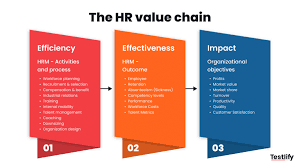
By understanding how HR creates value for an organization, HR professionals can ensure that their practices align with organizational objectives, ultimately contributing to the overall success and competitiveness of the business in the long run.
Conclusion
In conclusion, there are countless reasons why human resource is important for every organization. From recruitment and culture building to compliance, engagement, and technology adoption, HR ensures people — the most valuable asset — are empowered to succeed.
Organizations that understand why human resource is important for every organization can align HR practices with strategic goals, building long-term competitiveness and resilience. HR is not just an administrative function but the strategic backbone of every successful business.
Frequently Asked Questions (FAQ)
1. What does Human Resource mean in an organization?
Human Resource (HR) refers to the department that manages people in an organization. It handles recruitment, training, performance, employee relations, and compliance. Understanding why human resource is important for every organization begins with recognizing that employees are the most valuable asset of any business.
2. Why human resource is important for every organization?
Human resource is important because it ensures the right people are hired, trained, motivated, and retained. HR also maintains workplace culture, handles conflicts, ensures compliance with labor laws, and supports overall business growth. That is exactly why human resource is important for every organization.
3. How does HR contribute to business success?
HR contributes to success by aligning people strategy with business goals. From workforce planning and employee engagement to training and change management, HR ensures that employees deliver their best performance. This shows why human resource is important for every organization in achieving long-term success.
4. What are the main functions of Human Resource?
The main HR functions include:
-
Recruitment and staffing
-
Training and development
-
Compensation and benefits
-
Employee relations
-
Compliance with laws
-
Performance management
Each function demonstrates why human resource is important for every organization.
5. Is HR only about hiring employees?
No. HR is not limited to hiring. While recruitment is essential, HR also manages culture, compensation, legal compliance, employee engagement, and conflict resolution. This wide scope proves why human resource is important for every organization, beyond just hiring.
6. How does HR improve employee productivity?
HR improves productivity through training, performance reviews, recognition, and career development programs. When employees feel valued and motivated, they contribute more effectively — another reason why human resource is important for every organization.
7. What happens if an organization has no HR department?
Without HR, businesses may face poor hiring decisions, compliance issues, low employee morale, and high turnover. These problems highlight why human resource is important for every organization to maintain structure and stability.
1 thought on “Why Human Resource Is Important for Every Organization”